
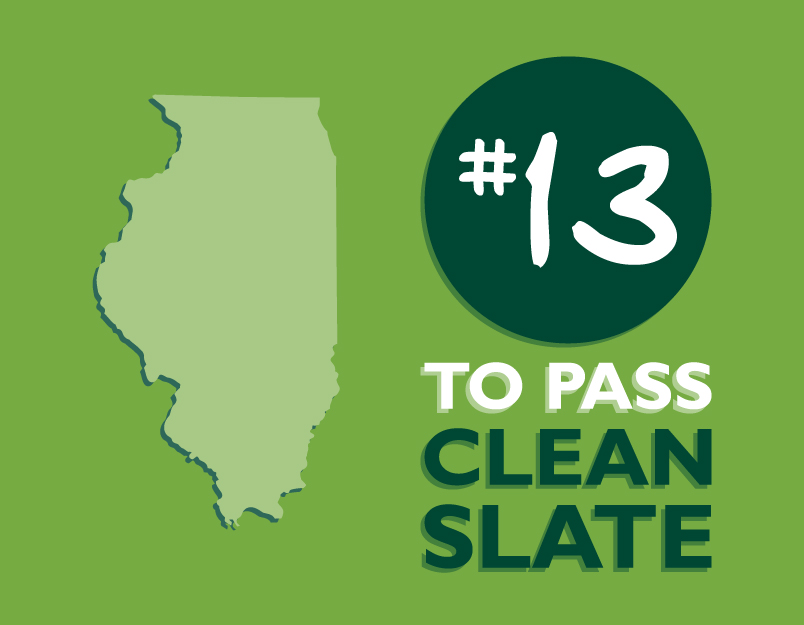
On January 16, 2026, Illinois Governor J.B. Pritzker signed House Bill 1836, officially making Illinois the 13th state to enact a Clean Slate law. Effective June 1, 2026, state agencies will have until 2029 to develop and test the automation systems. The initial group of eligible records will be required to be sealed by Illinois State Police by January 1, 2030. Automated sealing by Circuit Courts for that same group of records will be required to begin by January 1, 2031.
Eligible misdemeanor convictions and ordinance violations will be sealed 2 years after completion of sentence. Eligible felony convictions will be sealed 3 years after completion of the most recent felony conviction sentence. There are several offenses excluded from eligibility including serious violent crimes, sex crimes (including any requiring sex offender registration), DUIs, reckless driving, and cruelty to animals.
What challenges might be anticipated with the implementation of the new law?
- Possible Delays For Criminal Record Searches – There is a potential for background check delays when conducting record searches in Illinois, as courts and state agencies work to update their systems and expunge eligible records.
- New Compliance Obligations – Employers should be aware of which criminal offenses are eligible to be expunged or sealed and revise their hiring practices accordingly. In many cases, it may be prohibited for employers to inquire about or take into consideration certain types of criminal records that have been sealed under laws like Illinois’ Clean Slate Act.
Ahead of the June effective date, it is recommended employers hiring in Illinois or with employees in Illinois to review their background check policies and procedures to prepare for the automatic record sealing and its potential impact on criminal background checks.
Read more about the new law here.
Legal Disclaimer: Validity Screening Solutions provides this material for educational and informational purposes only, and shall not be construed as legal advice, express or implied. For questions regarding your organization’s practices and compliance with applicable laws, please consult with your legal counsel.